
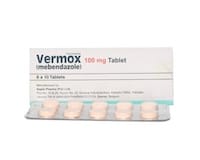
Buy Vermox Online at the Best Prices Today
Targeted Relief for Intestinal Parasites
Imagine a tiny, uninvited guest making itself comfortable in your gut. It sounds like something out of a horror movie, but for many, this is a daily reality. These uninvited guests, known as helminths, can wreak havoc on your digestive system, stealing nutrients and leaving you feeling utterly drained and unwell.
Vermox enters this microscopic battlefield to reclaim your digestive health. It is specifically designed to hunt down and neutralize various parasitic intruders. Whether you are dealing with a single type of worm or a messy, mixed infestation, this medication provides a defense against these sneaky intestinal hitchhikers.
The medication is particularly effective against a wide variety of common culprits. It doesn’t just target one species; it is a multi-tasker in the world of anthelmintics. By addressing the root cause, it helps restore the natural balance of your internal ecosystem, ensuring your body can finally focus on absorbing essential nutrients again.
Identifying the Culprits
Not all worms are created equal, and knowing your enemy is half the battle. Pinworms are perhaps the most notorious, often causing intense itching that keeps people up at night. They are small, thread-like, and love to settle in the intestinal lining, causing significant discomfort and restless sleep for many patients.
Then there are the larger, more aggressive players like roundworms, scientifically known as Ascaris. These can grow quite large and cause significant blockage or discomfort. Alongside them, whipworms and hookworms pose their own unique threats to your intestinal health, often lurking in the background while they slowly siphon off your body’s vitality.
To make sense of these various threats, consider the following common infections treated by the medication:
- Pinworms (*Enterobius vermicularis*): Often causing localized itching.
- Roundworms (*Ascaris*): Large, robust worms that inhabit the small intestine.
- Whipworms: Known for causing abdominal pain and discomfort.
- Hookworms: Often associated with nutritional deficiencies.
It is like a game of whack-a-mole, where one species might pop up just as you think you are in the clear. Understanding these specific organisms helps medical professionals tailor treatments and helps patients understand why a course of medication is necessary to fully clear the system.
How Mebendazole Works
Think of mebendazole as a specialized blockade that cuts off the enemy’s supply lines. It works by interfering with the worm’s ability to absorb glucose. Without this vital energy source, the parasites essentially starve to death within the gastrointestinal tract, unable to maintain their strength or continue their lifecycle.
The mechanism is quite fascinating. It targets the glucose uptake of the helminth, effectively starving them from the inside out. It is a precise strike that minimizes the impact on your own cells while ensuring the invaders have no way to sustain themselves or reproduce further within your digestive walls.
This process is particularly crucial for managing mixed infestations. Sometimes, a patient might be fighting a “double whammy” of different worm species simultaneously. Because mebendazole has this broad spectrum of activity, it can tackle multiple types of worms at once, which is much more efficient than targeting them individually.
By preventing the worms from accessing their fuel, the medication ensures they cannot survive long enough to cause further damage. It is a relentless approach that leaves the parasites with no choice but to perish, paving the way for your body to recover and return to its natural, healthy state.
Breaking the Life Cycle
One of the cleverest aspects of this treatment is how it handles the next generation. Even if you kill the adult worms, there is often a lingering threat from newly hatched larvae. These little newcomers are like a backup army waiting in the wings to start the whole cycle all over again.
Vermox acts as a preventative shield against this resurgence. It is specifically indicated to prevent these newly hatched larvae from maturing into adult worms. This “stop-gap” measure is essential to ensure that the infection is truly eradicated and doesn’t simply cycle through your system in a never-ending loop.
Without this preventative action, a person might feel better temporarily, only to find the symptoms returning weeks later. By halting the maturation process, the medication breaks the biological chain of command, ensuring that the parasitic population cannot rebuild itself and cause a secondary wave of infection.
This comprehensive approach is why medical professionals often recommend a strict adherence to the full dosage. You aren’t just fighting the visible enemies; you are systematically dismantling their entire reproductive strategy to ensure long-term relief and a clean bill of health for your digestive system.
Determining the Correct Dosage for All Ages
Navigating the world of medication can feel like trying to walk through a thick fog without a flashlight. When dealing with intestinal parasites, precision is your best friend. Getting the dose wrong is like trying to hit a moving target in the dark; you might miss the mark entirely, leaving the invaders to thrive.
For adults and children who have crossed the one-year milestone, the protocols are quite straightforward but vital. Generally, a single dose is the standard for many common pinworm issues. However, for more stubborn guests like roundworms or whipworms, the strategy shifts toward a more sustained attack to ensure no survivors remain.
Doctors often tailor the plan based on the specific “uninvited guest” causing the trouble. You wouldn’t use a sledgehammer to kill a fly, nor a toothpick to stop a rhino. Similarly, the duration of your treatment depends heavily on whether you are fighting a quick-moving pinworm or a more resilient roundworm infestation.
It is always wise to consult a professional before starting any regimen. They will weigh the severity of the infection against the patient’s weight and medical history. This ensures that the treatment is a scalpel, cutting away the problem with surgical precision, rather than a blunt instrument that causes unnecessary side effects.
Administration and Ease of Use
One of the biggest hurdles in treating children is the dreaded “medicine battle.” We have all seen it: the frantic struggle to get a toddler to swallow a pill. It can turn a routine health task into a chaotic scene that leaves everyone involved feeling stressed and defeated.
To combat this, chewable tablet formats have become a lifesaver for parents. These tablets are designed to be easily masticated, making the process feel less like a medical procedure and more like a quick snack. It removes the fear of choking and significantly increases the likelihood of compliance.
When the medication is easy to take, the chance of missing a dose drops significantly. Consistency is the secret sauce in any antiparasitic battle. If a child refuses a pill, the worms might just find a way to regroup, making the entire effort a wasted endeavor in the long run.
The chewable option is particularly helpful for those who have difficulty swallowing large, solid tablets. By making the administration seamless, the medication can get to work much faster, starting its silent mission to starve those parasites before they can cause any more intestinal havoc.
Treatment Duration and Efficacy
How long you stay on the course is just as important as what you are taking. For instance, pinworm infections might only require a single dose, but a follow-up might be needed to catch any eggs that hatched later. It is a game of patience and persistence.
When dealing with roundworms or whipworms, the timeline often expands. These parasites are more established and require a more prolonged presence of the medication in the system. Think of it as a siege; you cannot simply knock on the gates once and expect the enemy to surrender immediately.
If you stop too early, you might be leaving a small squad of survivors behind. These survivors can quickly rebuild their numbers, leading to a frustrating cycle of reinfection. Following the prescribed duration is the only way to ensure the “clean sweep” you are aiming for is actually successful.
Patients often wonder how quickly they will see results. While the medication begins working on the worms almost immediately by cutting off their glucose, you might not “feel” the difference instantly. The relief usually comes as the parasitic load diminishes and the gut inflammation subsides.
Below is a comparison of various treatment options and their estimated costs for different patient needs:
| Treatment Option | Duration/Type | Estimated Cost |
|---|---|---|
| Standard Single Dose | 1 Day (Pinworms) | $15 |
| Extended Course | 3 Days (Roundworms) | $45 |
| Family Pack | Multi-Person Use | $85 |
| Specialized Chewable | Pediatric Friendly | $55 |
Anticipating Potential Side Effects and Risks
While the medication is generally a friendly guest in the digestive tract, it can sometimes stir up a bit of a storm. Most people navigate the treatment without any real hiccups, but it is not unheard of to experience some minor discomfort. Think of it as your body’s way of adjusting to the sudden change in its internal ecosystem.
The most frequent complaints involve the stomach area. You might feel a bit of nausea or experience mild abdominal pain as the parasites are dealt with. It is a bit like a small skirmish occurring within your gut. These symptoms are usually transient and tend to vanish once the treatment course is successfully completed.
Some individuals report experiencing a dull ache or even mild cramping. While these sensations can be annoying, they are typically nothing to lose sleep over. However, everyone’s biological makeup is unique, and what feels like a minor nuisance to one person might feel a bit more significant to someone else.
If you find yourself feeling slightly queasy, try taking the medication with a bit of food. This can often act as a buffer, softening the blow to your stomach lining. It is a simple trick that many find helpful in keeping the treatment process relatively smooth and painless.
Monitoring for Rare Reactions
In the realm of medicine, there are always “black swans”—those rare events that don’t show up in every single patient. While extremely uncommon, it is vital to keep a watchful eye on how you are feeling. You want to be the captain of your own health, staying alert to any unusual shifts.
Watch out for signs of an allergic reaction. If you notice any swelling in the face, throat, or tongue, or if you develop a sudden, itchy skin rash, stop use immediately. These are red flags that the body is mounting a defense against the medication itself rather than the unwanted worms.
More serious, though still rare, reactions can involve more significant systemic changes. If you experience dizziness, or if you notice any unusual changes in your bowel habits that persist, it is time to pause. It is better to be overly cautious than to ignore a subtle signal from your body.
Never ignore a persistent feeling of malaise. If you feel like something is just “off” and it doesn’t align with the minor side effects previously mentioned, listen to your intuition. Your body has a way of communicating through subtle cues that deserve your full attention and consideration.
Safety for Specific Groups
Pregnancy and breastfeeding require a much more careful approach to any medication. It is not a matter of being overly timid, but rather about ensuring the highest safety standards for both mother and child. The way a body processes medicine changes significantly during these profound life stages.
If you are currently pregnant or planning to become pregnant, you must consult your doctor before starting this regimen. The safety profile for use during pregnancy is a topic that requires professional guidance. You wouldn’t want to take any risks when it comes to the delicate balance of a developing life.
For those who are breastfeeding, the conversation is similarly important. While the medication is intended to target intestinal parasites, the question is whether any of it might pass through your milk. Your healthcare provider can weigh the necessity of treating the infection against the potential risks involved.
Always be transparent with your medical team about your status. They are there to provide a tailored plan that keeps both you and your baby safe. It is always better to have a detailed discussion now than to face difficult questions later on during your postpartum journey.
When to Seek Medical Attention
Knowing when to call the doctor is just as important as knowing how to take the pill. If your symptoms escalate from “uncomfortable” to “distressing,” do not wait for the next dose to arrive. Taking proactive steps can prevent a minor issue from turning into a major headache.
Seek immediate medical help if you experience any of the following:
- Severe or persistent abdominal pain that is much worse than mild cramping.
- Persistent vomiting or an inability to keep fluids down.
- Signs of an allergic reaction, such as hives or difficulty breathing.
- Blood in your stool or extreme changes in bowel movements.
- Severe skin rashes or blistering.
Sometimes, the symptoms of the infection itself can mimic more serious issues. If you feel a sudden onset of fever or extreme fatigue, it is worth a quick call to your physician. It is always better to have a professional tell you that everything is fine than to ignore a real problem.
Remember, the goal is to clear the infection, not to cause a secondary medical crisis. If you feel like your treatment is going sideways, reach out to a professional. They can help determine if the symptoms are a normal part of the “clean sweep” or something that requires a different approach.
Pricing and Acquisition in the US Market
Navigating the Prescription Landscape
If you are looking to pick up Vermox in the United States, you cannot simply grab it off a grocery store shelf like a box of cereal. In the US, mebendazole is a prescription-only medication. This means you must have a licensed healthcare provider sign off on your treatment plan before any pharmacist can hand it over.
Attempting to bypass this requirement can lead to a dead end at the pharmacy counter. Doctors need to confirm that your symptoms are indeed caused by a parasitic infection rather than something else entirely. It is a safety measure designed to ensure you are receiving the right tool for the specific job at hand.
The process usually begins with a quick consultation, which might be handled via a telehealth visit or an in-person appointment. Once your physician determines that an anthelmintic is necessary, they will send the order to your preferred pharmacy. It is a standard procedure that keeps the medical system running smoothly and safely.
Do not be surprised if you find the brand name “Vermox” is a bit of a ghost in American pharmacies. While the active ingredient is well-known, the specific brand name is often more common in international markets. You will likely be discussing the generic version with your pharmacist during your visit.
Cost and Generic Alternatives
When it comes to the bottom line, the price of treatment can vary quite a bit depending on where you shop. In the US, the cost for a prescription of mebendazole can range from $15 to $45 for a standard course. However, insurance coverage can drastically change how much you actually pay out of pocket.
If you are looking to save a few bucks, the generic version is your best friend. Generics contain the same active ingredient as the brand-name version but typically come with a much lighter price tag. It is like buying the store brand of milk; it does the same job without the fancy label.
Retail pharmacies often have different pricing structures, so it never hurts to shop around. You might find that a local independent pharmacy offers a better deal than a massive national chain. Here is a quick look at how the costs might break down for a typical patient:
| Option Type | Estimated Cost (USD) | Availability |
| Brand Name (Vermox) | $40 – $70+ | Limited in US |
| Generic Mebendazole | $15 – $45 | Widely Available |
| Online/Mail Order | $20 – $50 | Common |
Many patients find that using a discount card or a comparison tool can shave significant amounts off their total. It is worth the extra five minutes of effort to check these prices before you head to the checkout line. In the world of healthcare, a little bit of legwork goes a long way.
International Availability and US Access
You might notice that “Vermox” is a household name in many parts of the world, particularly in Europe, Canada, and Australia. In those markets, it is a very common sight on pharmacy shelves. In the US, however, the branding is less prominent, and you will mostly encounter the generic name.
This discrepancy often confuses people who see the name online and expect to find it easily in their local drugstore. While the medication itself is available in the US, the specific “Vermox” branding is not the primary way it is marketed here. It is simply a matter of regional naming conventions.
Be very cautious if you see websites offering “Vermox” for sale without a prescription through international shipping. While the temptation to skip the doctor is real, these sources can be a bit of a wild card. You never know if the pills you receive are authentic or if they have been stored properly.
Sticking to a domestic, US-based pharmacy with a valid prescription is the safest way to go. It ensures that you are getting a regulated, high-quality product that has been verified for potency. It might take a little longer, but it is better to do it right the first time.
Comparing Mebendazole Brands and Formulations
Tablets versus Chewable Options
Choosing between a standard 500 mg tablet and a chewable version often feels like deciding between a heavy steak and a light snack. The 500 mg tablets are the heavy hitters of the group, typically designed for adults who can swallow pills without a struggle. They are straightforward and no-nonsense, perfect for those who want to get the job done quickly.
On the other hand, the chewable tablets are a different beast entirely. These are specifically indicated for patients aged one year and older, making them a lifeline for families dealing with little ones. Trying to force a large, bitter pill down a toddler’s throat is a recipe for a tantrum, whereas a chewable version makes the process much smoother.
However, there is a trade-off to consider when you opt for the chewable route. Because they are meant to be masticated, the texture and flavor play a much bigger role in the patient’s experience. If you have a sensitive stomach, a large tablet might feel more “clinical,” while a chewable might feel a bit more like a piece of candy, for better or worse.
Ultimately, the choice depends heavily on the age of the person being treated. If you are an adult, the high-strength 500 mg tablet is the gold standard for efficiency. For parents, the chewable option is a godsend that prevents the dreaded “medicine battle” during a stressful time.
Navigating Generics and Brand Names
Walking into a pharmacy can feel like entering a maze of similar-looking boxes. You might see the “Vermox” label looking very polished and professional, while the generic box looks a bit more utilitarian. It is easy to assume the brand name is superior, but in the world of anthelmintics, the active ingredient is the real star of the show.
Generic mebendazole is essentially the same chemical entity as the brand-name version. It works by preventing newly hatched insect larvae, such as worms, from thriving in the gut. Because the active component is identical, the therapeutic effect should be the same, whether you are paying for the fancy logo or the budget-friendly alternative.
Think of it like buying a generic brand of aspirin. It might not have the bright, colorful packaging that catches your eye from across the aisle, but it will tackle your headache just as effectively. The primary difference you will notice is the price tag, which can be quite a significant gap when you are looking at the total bill.
Many people find that sticking to the generic is a smart way to manage healthcare costs without sacrificing quality. If your doctor hasn’t specified a brand for a particular medical reason, the generic is often the most logical path. It keeps your wallet happy and your treatment effective, which is a win-win in my book.
Evaluating Delivery Methods and Value
How you take your medicine can change how you feel about the whole ordeal. Some people prefer the simplicity of swallowing a pill with a large glass of water, finding it the quickest way to get on with their day. It is a “set it and forget it” approach that minimizes the taste of the medication.
Other delivery methods, like the chewable tablets, require you to focus on the sensation of the medicine in your mouth. While this is much easier for children, some adults might find the texture of a dissolving tablet a bit unpleasant. It is all about finding a method that fits your personal comfort level and lifestyle.
When assessing value for money, don’t just look at the sticker price of a single box. You need to look at the dosage strength and the total quantity provided. A slightly more expensive box might actually be a better deal if it contains enough tablets to complete a full course of treatment without needing a second trip to the pharmacy.
Here is a quick breakdown of how to weigh your options based on typical value factors:
- High-Strength Tablets: Best for adults; offers maximum potency in a single dose.
- Chewable Formulations: Ideal for children; prioritizes ease of administration over pill size.
- Generic Options: The best way to save money; provides the same efficacy as brands.
- Bulk Quantity: Often provides better value per milligram if you have a long-term regimen.
Buying Logistics and Shipping Considerations
Navigating the digital marketplace for healthcare can feel like walking through a minefield. You might be tempted by a flashy website offering suspiciously low prices, but caution is your best friend here. It is vital to prioritize safety over a quick bargain when seeking antiparasitic medication online to avoid counterfeit products.
Always look for “verified” badges or symbols from recognized pharmacy accreditation boards. A legitimate online pharmacy should feel professional, not frantic. If a site pressures you to “buy now” before you can even read the ingredients, that is a massive red flag. It’s better to pay a little more for peace of mind.
When you decide to purchase, ensure the site uses secure, encrypted payment gateways. You should see that little padlock icon in your browser’s address bar. Using a credit card rather than a direct bank transfer provides an extra layer of consumer protection if things go south during the transaction process.
Before hitting that “checkout” button, double-check your shipping details. A simple typo in your street address can lead to your package wandering into a void. It is a small step, but it prevents the headache of tracking a lost box that might contain your essential medical supplies.
Verifying Retailer Legitimacy
Not all online vendors are created equal, and some are merely ghosts in the machine. To separate the wheat from the chaff, check for a physical address and a working telephone number. A company that only communicates via a generic web form is often a sign of a fly-by-night operation.
I once knew a man who ordered a bulk supply of supplements from a site that looked legitimate at first glance. It turned out to be a total scam; the package arrived three weeks late, and the contents were nothing more than chalk. Do not let that be your story when seeking mebendazole.
Read reviews on independent third-party platforms rather than just the testimonials hosted on the company’s own homepage. Those on-site reviews are often hand-picked to paint a perfect picture. You want the unfiltered truth from real customers who have actually waited for their deliveries and checked their medication.
If the website asks for your Social Security number or other highly sensitive data that isn’t strictly necessary for a prescription, close the tab immediately. A legitimate pharmacy needs your prescription and payment info, but they don’t need your entire life story to ship a single box of tablets to you.
Shipping Timelines and Delivery Logistics
When you order medication, timing is everything. Domestic shipping is usually the most reliable route, often arriving within three to five business days. If you are dealing with a persistent infestation, you don’t want to be playing a guessing game with a package that is currently stuck in a transit hub.
International delivery can be a whole different ballgame entirely. While it might save you a few dollars upfront, the “hidden costs” can pile up quickly. You might face unexpected customs duties or lengthy delays at the border that turn a week-long wait into a month-long ordeal of frustration.
Always ask about the specific shipping method before you commit. Some retailers offer standard mail, which is cheap but slow, while others offer expedited courier services. If you are feeling symptomatic, paying the extra $15.00 for overnight shipping is often worth every single penny for your comfort.
Keep a close eye on your tracking number. Most reputable sellers will provide this as soon as the label is printed. If your tracking number doesn’t work or the status never changes from “label created,” start preparing to contact your bank or the vendor’s customer support team immediately.
Maintaining Medication Integrity
The journey from the warehouse to your front door is a grueling one for delicate medicine. Temperature fluctuations can be the silent enemy of chemical stability. If your package arrives looking like it was left in a hot mailbox in the middle of July, think twice before using it.
Upon arrival, inspect the packaging with a keen eye. The box should be pristine, not crushed or damp. If the seal on the bottle or the blister pack appears to have been tampered with, do not consume the contents. It is better to be safe than to risk ingesting compromised drugs.
Check the expiration date printed on the label. It sounds obvious, but in the rush of a busy day, it is easy to overlook. You don’t want to finish a course of treatment only to realize the tablets were already past their prime when they left the facility.
Here is a quick summary of what to look for when your package arrives:
| Checklist Item | Red Flag | Ideal Condition |
| Packaging | Crushed, wet, or torn | Sealed and intact |
| Seal | Tampered or missing | Factory seal unbroken |
| Expiration | Date has passed | Valid for several months |
| Appearance | Discolored or crumbling | Consistent with original form |