
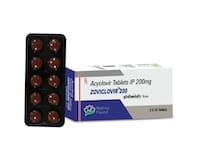
Buy Aciclovir Online: Best Prices and Fast Delivery
Managing Herpes and Shingles Symptoms
Imagine a tiny, invisible intruder making a mess of your skin or lips. That is often the reality when dealing with various viral outbreaks. Aciclovir acts like a specialized security team, rushing to the scene to disrupt the chaos caused by these persistent invaders.
Doctors frequently prescribe this medication to tackle a wide range of pesky conditions. It is a heavy hitter when it comes to fighting off cold sores, which can be quite a nuisance during social events. It also plays a vital role in managing more intense outbreaks like shingles or chickenpox.
Beyond the surface, it is a primary defense against genital herpes. For many, navigating these symptoms can feel like walking through a minefield of discomfort. Having the right tools in your medical kit can make a world of difference in regaining your peace of mind.
Targeting the Viral Root
The science behind the medicine is quite fascinating. Aciclovir specifically targets the herpes simplex virus (HSV) and the varicella zoster virus. It essentially works by tricking the virus, causing it to stop replicating and preventing the infection from spreading through your cellular machinery.
Think of it as a roadblock on a busy highway. By stopping the virus from making copies of itself, the drug prevents the infection from gaining momentum. This is crucial for minimizing the duration of symptoms and reducing the overall severity of the viral onslaught.
For those battling shingles, the relief can be significant. Shingles is often a painful reminder of a previous chickenpox infection resurfacing. By halting the viral growth, aciclovir helps dampen the fire, allowing your body’s natural defenses to regain control over the situation.
It is truly a cornerstone of antiviral therapy globally. Because it is so effective at stopping these specific viruses in their tracks, it has become one of the most widely prescribed antiviral medications in existence today. It remains a reliable ally in the fight against these stubborn infections.
Topical vs. Systemic Approaches
Choosing the right way to apply your medicine is a bit like choosing the right tool for a DIY project. Sometimes you need a broad brush, and sometimes you need a surgical touch. This distinction determines how the medicine enters your system to fight the battle.
Topical creams, often sold under brand names like Zovirax, are applied directly to the skin. These are fantastic for localized issues like oral cold sores. They provide a protective layer and deliver the medicine exactly where the irritation is most visible and uncomfortable.
On the other hand, systemic oral treatments involve swallowing tablets to fight infections from the inside out. This is often necessary for more widespread or severe conditions, such as genital herpes or even complex infections like HSV encephalitis. The medicine travels through your bloodstream to reach the target.
Using the wrong method can feel like trying to fix a leaky pipe with a band-aid. If an infection is deep or widespread, a cream might not cut it. Always follow your healthcare provider’s guidance to ensure you are using the most effective delivery method for your specific case.
| Application Type | Common Use Case | Delivery Method |
| Topical Cream | Cold sores and localized skin issues | Applied directly to the skin surface |
| Oral Tablets | Genital herpes and systemic infections | Swallowed as a pill or capsule |
Protecting Your Vision and Growth
Eye infections are a serious matter that shouldn’t be taken lightly. When the virus migrates toward the eyes, it can cause significant distress. Aciclovir is a key player in treating herpes simplex eye infections, helping to prevent lasting damage to your precious sight.
The ultimate goal of using this medication is to prevent viral growth. By inhibiting the virus’s ability to replicate, the drug ensures that the outbreak doesn’t spiral out of control. It is about keeping the infection small and manageable rather than letting it run wild.
Some people use it for post-exposure prophylaxis to try and prevent chickenpox, though it isn’t officially licensed for that specific use. Regardless of the method, the priority is always to stop the virus from multiplying and causing further havoc within your body’s delicate systems.
Standard Dosage Protocols and Administration
Navigating the world of antiviral medications can feel like trying to read a map in a storm. You want to ensure you are hitting the marks correctly to stop the virus in its tracks. Getting the timing and the amount just right is the difference between a quick recovery and a prolonged battle.
When dealing with genital herpes, the protocol often involves a series of tablets taken several times a day. This keeps a steady level of the medicine in your bloodstream. It is like keeping a guard at a gate, ensuring the virus doesn’t find an opening to start multiplying again during an outbreak.
Chickenpox, however, requires a different approach entirely. Because the varicella zoster virus behaves differently than the herpes simplex virus, the dosage schedule changes. Doctors typically prescribe a higher frequency of tablets to combat the rapid spread of the infection throughout the body. It is a heavy-duty response for a heavy-duty virus.
Timing is truly everything when it comes to effectiveness. To maximize how well the drug works, you must take your doses at consistent intervals. If you miss a beat, you might give the virus a window of opportunity to replicate. Consistency is your best friend when you are fighting an invisible enemy.
Topical Application and Severe Cases
If you are dealing with localized issues like cold sores, a topical cream like Zovirax is often the first line of defense. These creams are usually applied five times a day. It sounds like a lot of work, but frequent application ensures the medicine stays active on the skin surface.
However, there are times when the fight moves inside the central nervous system. HSV encephalitis is a severe, life-threatening condition that requires immediate medical intervention. In these critical scenarios, the dosage is much higher and is typically administered intravenously in a hospital setting to ensure rapid delivery.
For more complex or severe infections, the medical team will tailor the regimen specifically to the patient’s weight and kidney function. It isn’t a one-size-fits-all scenario. You must listen closely to your healthcare provider to ensure the treatment plan matches the severity of your specific viral struggle.
Below is a comparison of common treatment options and their estimated market costs for reference.
| Treatment Type | Primary Indication | Estimated Cost (USD) |
|---|---|---|
| Topical Cream | Oral Cold Sores | $15 – $30 |
| Standard Oral Tablets | Genital Herpes | $25 – $50 |
| High-Dose Oral Pack | Chickenpox | $60 – $120 |
| Intravenous Therapy | HSV Encephalitis | $500+ |
Managing Your Regimen
Managing your medication is like keeping a steady rhythm in music. If you skip a note, the whole song feels off. For chronic conditions, some patients use a daily suppressive dose. This isn’t about treating an active outbreak, but rather preventing the next one from ever showing its face.
Always remember to finish your entire course of medication, even if you start feeling better after a day or two. The virus is a sneaky character; just because the symptoms have retreated doesn’t mean the enemy has been fully defeated. You need to finish the job to ensure complete control.
If you experience unusual side effects, don’t just shrug them off. While many people tolerate aciclovir well, it is vital to communicate with your doctor. They are the captains of your medical ship and can navigate you through any side effects that might arise during your treatment journey.
Aciclovir Pricing and Market Value
Walking into a pharmacy can sometimes feel like entering a labyrinth of confusing labels and shifting numbers. When you are already dealing with the discomfort of a viral outbreak, the last thing you want is a surprise at the checkout counter. Understanding the financial landscape of your medication is just as vital as understanding the dosage itself.
The market for aciclovir is quite vast, considering it is one of the most widely prescribed antivirals on the planet. Because it is a staple in many medicine cabinets, there is a healthy competition between various manufacturers. This competition often works in your favor, helping to keep the overall market value of the drug relatively stable for the average consumer.
For those looking to keep their medical expenses under control, generic aciclovir tablets are the undisputed champions. You can typically find these generic versions for a very modest sum, often ranging from $5 to $20 depending on the quantity prescribed. It is a cost-effective way to fight back against the virus without breaking the bank.
The Brand-Name vs. Generic Tug-of-War
Many patients find themselves standing at a crossroads between the familiar name of Zovirax and the much cheaper generic alternatives. Zovirax is the household name, often carrying a certain sense of familiarity and trust. However, this brand recognition comes with a premium price tag that can feel quite steep during a sudden flare-up.
Think of it like buying a designer shirt versus a high-quality store brand. Both might serve the same fundamental purpose, but one carries the weight of the label. In the case of aciclovir, the active ingredient in the generic is identical to the brand-name version, meaning you are paying for the name, not necessarily a different medicine.
The price gap can be quite striking when you look at the receipts. While a generic prescription might only cost you $15, the branded version might climb significantly higher. For those managing chronic conditions that require long-term suppressive therapy, these small differences can certainly add up to a significant amount of money over a single year.
Ultimately, the choice often comes down to your personal budget and your doctor’s specific recommendation. Many healthcare providers will suggest the generic route first to ensure treatment remains affordable and consistent. It is always a wise move to ask your pharmacist if a generic version is available before you settle for the brand name.
Topical Creams and Oral Capsules
When it comes to choosing your delivery method, the cost is often dictated by how the medicine is applied. Topical creams are frequently the first thing people reach for when a cold sore makes its unwelcome appearance. These are designed for localized relief and are incredibly convenient for quick, on-the-spot application.
Because creams are often sold over the counter or with minimal oversight, their pricing can vary wildly between different retailers. You might find a tube of cream for $15 at a local drugstore, while a specialized version might cost closer to $30. It is a small price to pay for the convenience of treating a surface-level issue.
Oral capsules, on the other hand, are a different beast entirely. These are typically reserved for more systemic issues, such as genital herpes or chickenpox, where the virus is working deep within your system. Because these require a prescription and often involve a larger volume of medication, the total cost can be higher than a single tube of cream.
However, for many, the systemic approach is the only way to truly get the upper hand in a battle. While a cream might soothe the skin, the oral medication is the heavy artillery that stops the virus from multiplying throughout your body. Balancing these two options is a key part of managing both your health and your wallet.
Retail Pricing Dynamics in the Current Market
You might wonder why the price at your local pharmacy seems to dance around so much. Several moving parts are constantly shifting behind the scenes. Retailers have to account for everything from manufacturing costs and shipping logistics to the sheer demand for the medication in your specific region.
Supply chain disruptions can play a massive role in how much you pay at the register. If a particular manufacturer faces a delay, the sudden scarcity can cause prices to tick upward. It is a delicate balance that keeps many pharmacy managers on their toes, trying to maintain stock while keeping prices competitive.
Insurance coverage also plays a massive role in your final out-of-pocket expense. Depending on your specific plan, a medication that costs $50 on the open market might only cost you a $10 co-pay. Navigating the complexities of insurance can feel like a full-time job, but it is essential for managing long-term treatment costs.
In the current market, several other factors are at play, including regional competition and seasonal demand. During times when viral infections are more prevalent, the demand for antivirals can spike. Staying informed about these trends can help you time your refills and manage your healthcare spending with much greater precision.
Sourcing and Purchasing Options
Navigating the world of prescriptions can feel like wandering through a dense fog without a compass. When you need aciclovir, your most reliable North Star is a licensed pharmacy. These establishments are bound by strict regulations to ensure that every pill or cream you receive is genuine and safe for human consumption.
You can visit your neighborhood brick-and-mortar pharmacy to speak with a professional face-to-face. This personal touch is invaluable if you have questions about how to use the medication. A pharmacist can explain whether to apply a cream to a cold sore or swallow a tablet for a more systemic issue.
If you prefer the convenience of your own living room, many legitimate online pharmacies offer delivery services. However, you must ensure they are properly licensed by the relevant national health authority. A shady website might promise a bargain, but it often ends up being a costly mistake for your health.
Always look for the “green shield” or similar verification emblems on a website’s homepage. These symbols act as a digital badge of honor, proving the shop adheres to safety standards. Skipping this step is like buying a car from a stranger in a dark alley; it’s simply not worth the risk.
Navigating Prescription Requirements
It is a common misconception that all forms of aciclovir are available freely on the shelf. While some topical creams might be accessible with minimal oversight, oral doses are a different story entirely. Because these medications enter your bloodstream, they require a doctor’s formal authorization to prevent misuse.
A physician must determine the correct dosage and duration for your specific viral infection. For instance, treating genital herpes requires a very different regimen than treating a sudden shingles outbreak. Attempting to self-medicate with high-strength oral tablets without professional guidance can lead to ineffective treatment or unnecessary side effects.
When you visit a clinic, be prepared to discuss your symptoms in detail. The doctor needs to know if you are dealing with a standard cold sore or something more serious like an eye infection. This diagnostic step ensures that the aciclovir you eventually purchase is actually the right tool for the job.
Keep a digital or physical copy of your prescription handy. Many modern pharmacy chains allow you to upload a photo of your script via a mobile app. This streamlined process can save you a trip to the store, making the transition from diagnosis to treatment much smoother and faster.
Evaluating Procurement Methods
Deciding between an in-person pharmacy and an online retailer often feels like a tug-of-war between convenience and speed. A local pharmacy offers the advantage of immediate gratification. If a painful outbreak has just appeared, you can walk in and walk out with your medication in a matter of minutes.
Online pharmacies, conversely, are the champions of the “set it and forget it” lifestyle. They are often more competitive with their pricing, sometimes offering a selection of generic options that save you significant money. For someone managing a chronic condition, the ability to have refills mailed directly to your door is a lifesaver.
However, consider the logistics of shipping. If you are in the middle of a sudden flare-up, waiting three to five days for a package to arrive might be unacceptable. In these urgent scenarios, the local drugstore is your best friend. For routine, long-term suppressive therapy, the online route is often more economical.
Use this comparison table to help weigh your options during your next refill cycle:
| Feature | Local Pharmacy | Online Pharmacy |
| Speed | Immediate pickup | Shipping delay (days) |
| Cost | Standard retail | Often lower/competitive |
| Consultation | Face-to-face expert | Digital/Limited |
| Convenience | Requires travel | Delivered to door |
Safety Precautions for Online Purchases
The internet is a vast ocean, and not all the ships sailing in it are seaworthy. When buying antiviral medications online, you must be a vigilant detective. If a deal looks too good to be true, it almost certainly is. A website offering $5 pills that usually cost $40 is a major red flag.
Avoid any site that offers to sell you oral aciclovir without asking for a prescription first. This is a massive violation of medical safety protocols. Legitimate online pharmacies will always require a consultation or a valid script from a licensed healthcare provider before they finalize your order.
Check for recent customer reviews on independent third-party platforms. Sometimes, a website looks professional, but the actual customers are complaining about receiving counterfeit products or never receiving their orders at all. Don’t let a polished interface fool you into a dangerous purchase.
Always check the expiration dates once your package arrives. A common tactic for unscrupulous sellers is to offload old stock that is nearing its end. If your medication arrives and the packaging looks tampered with or the date is too close, contact your bank and the pharmacy immediately.
Logistics of Shipping and Delivery
Timing and Transit Realities
Once you hit that “order” button, the clock starts ticking. Most domestic shipments for aciclovir tablets move through the postal system with relative ease. You can typically expect your package to land on your doorstep within three to seven business days, depending on how far you live from the distribution hub.
If you are in a rush because a shingles outbreak is starting to itch, you might want to opt for expedited shipping. This premium service often costs an extra $15 to $25 but can shave days off the wait. It is the difference between treating a symptom early or waiting until the pain becomes unbearable.
International orders are a different beast entirely. When crossing borders, customs officials might take a closer look at your medical documentation. This can extend your wait time to two or even three weeks. Patience is a virtue when your medication is traversing several time zones and various regulatory checkpoints.
Always keep in mind that “business days” do not include weekends or public holidays. If you order on a Friday afternoon, don’t expect a delivery by Monday morning. It is better to stay a few steps ahead of your symptoms by ordering your refills slightly earlier than you actually need them.
Temperature and Environmental Care
Medicine is a delicate science, and aciclovir is no exception. Most oral tablets are quite hardy, but they still need to stay in a cool, dry place. Extreme heat, like a package sitting on a sun-baked porch, can potentially degrade the active ingredients and render the treatment ineffective.
If you are ordering aciclovir creams or topical ointments, the stakes are even higher. These semi-solid preparations are particularly sensitive to temperature fluctuations. If the cream melts or separates due to heat during transit, it might become difficult to apply or lose its ability to fight the virus.
Many high-end pharmacies use specialized insulated packaging for sensitive topical medications. While this might add $5 to $10 to your total, it acts as a shield against the elements. Think of it as an insurance policy for your health, ensuring the medicine is as potent as the day it was manufactured.
When your package arrives, check the integrity of the seals immediately. If a cream feels unusually liquidy or a tablet looks crumbly, set it aside. You shouldn’t have to play chemist with your own healthcare; if the environment during transit was clearly compromised, contact your provider.
Discreet Packaging and Privacy
Medical privacy is a top priority for many patients. You might not want the mail carrier or a nosy neighbor knowing you are treating a genital herpes flare-up. Most reputable online pharmacies understand this and use plain, unbranded outer boxes for their shipments to maintain your dignity.
These “stealth” packages usually look like any other standard delivery. There will be no large logos or bold text stating “ANTIVIRAL MEDICATION” on the outside of the box. This level of discretion ensures that your business remains your own, allowing you to manage your health with total peace of mind.
Some services allow you to request specific shipping labels or even “gift” options to further mask the contents. While these options might cost a few extra dollars, the comfort of knowing your medical history isn’t written in giant letters on a cardboard box is often worth the price.
Always verify the privacy policy of your chosen vendor before paying. A legitimate pharmacy will prioritize your anonymity. If a site seems overly loud about what is inside the box, it might be a sign of a less professional operation that doesn’t value your personal privacy.
Tracking and Global Movement
Gone are the days of guessing where your medicine is. Modern logistics provide a digital paper trail that is incredibly detailed. Most domestic orders come with a tracking number that allows you to watch your package move from the warehouse to your local sorting facility in real-time.
For international shipments, the process is a bit more like a game of hide-and-seek. You will likely receive a tracking number, but the updates may stall once the package hits customs. Don’t panic if the status doesn’t change for several days; it is likely just stuck in a queue.
If your tracking information hasn’t updated in a significant amount of time, don’t play the waiting game indefinitely. Reach out to the pharmacy’s customer support team. They can often provide more specific details or initiate a trace to ensure your medication hasn’t gone missing in the void.
Keep a digital record of your tracking number and your order confirmation. If a package is lost, having this information ready will make the refund or replacement process much smoother. It is the best way to ensure you aren’t left empty-handed when you need your treatment most.
Side Effects and Safety Precautions
Common Side Effects and Physical Sensations
Taking a new medication can sometimes feel like navigating a foggy morning. While most people tolerate aciclovir quite well, you might notice a few minor hiccups along the way. Common complaints often include a nagging headache or a bit of nausea that lingers after taking your dose. It is like a small price to pay for getting back to your usual self.
Some patients report feeling a little bit “off” or experiencing slight dizziness. If you are using the topical cream, you might notice some skin irritation, redness, or a bit of itching at the application site. These sensations are generally mild and tend to fade as your body settles into the treatment routine. It is rarely a cause for immediate alarm.
It is important to stay hydrated while using this antiviral. Drinking plenty of water helps your kidneys process the medication smoothly, which can prevent some of the more common stomach upsets. Think of water as your body’s internal cleaning crew, making sure everything stays moving and clear as you tackle the infection head-on.
If you experience any of the following, keep a close eye on them:
- Mild nausea or stomach upset
- Headaches or lightheadedness
- Local skin irritation (with creams)
- Mild fatigue or tiredness
When to Seek Medical Advice
While most side effects are minor, you should never ignore your gut feeling. If a symptom feels “wrong” or significantly different from your usual baseline, it is time to pick up the phone. You shouldn’t try to be a hero when it comes to your health; if something feels serious, listen to that inner voice.
Seek medical attention immediately if you notice signs of an allergic reaction. This might include hives, swelling of the face or throat, or any sudden difficulty breathing. Such reactions are rare, but they require urgent care. It is better to be safe and get checked out than to wait and see if it passes.
Serious, though less common, side effects can involve kidney issues or neurological changes. If you experience confusion, tremors, or sudden changes in how you see or hear, contact your doctor right away. These are the “red flags” that require a professional evaluation to ensure your treatment plan is still the safest path forward.
Always keep a log of any new symptoms you experience during your course of medication. This information can be incredibly helpful for your doctor. It turns a vague conversation about “feeling unwell” into a detailed map that helps them make the best decisions for your recovery.
Contraindications and High-Risk Groups
Not every medication is a perfect fit for every body. People who have a known hypersensitivity to aciclovir or any of its ingredients should avoid it entirely. It is a bit like trying to wear shoes that are two sizes too small; the discomfort is inevitable, and in some cases, it can lead to real harm.
Patients with pre-existing kidney disease need to tread carefully. Since the kidneys are responsible for clearing the drug from your system, your doctor may need to adjust your dosage. Using the wrong amount can lead to a buildup in the bloodstream, which can increase the risk of more serious side effects.
If you are pregnant or breastfeeding, the conversation becomes even more nuanced. While aciclovir is often used to treat infections like chickenpox or herpes during pregnancy, you must consult your healthcare provider first. They will weigh the benefits of treating the infection against any potential risks to the baby.
Before starting your prescription, ensure your doctor has a full picture of your medical history. This includes any chronic conditions or recent hospital visits. It is better to be thorough now than to deal with complicated complications later when you are trying to heal from an infection.
Managing Medication Interactions
Think of your body as a busy intersection where many different signals are crossing at once. Sometimes, aciclovir can cause a bit of a traffic jam when it meets other drugs. Certain medications, particularly those used to treat kidney issues or some anti-seizure drugs, can change how your body processes the antiviral.
It is vital to provide your pharmacist with a complete list of everything you are currently taking. This includes over-the-counter supplements, vitamins, and herbal remedies. Even something as simple as a common cold medicine can sometimes interfere with your primary treatment plan if you aren’t careful.
To keep things running smoothly, consider the following precautions regarding interactions:
| Interaction Type | Potential Effect |
| Diuretics | May increase risk of kidney strain |
| Probenecid | Can increase aciclovir levels in the blood |
| NSAIDs | May impact kidney function during use |
If you are prescribed a new medication by a different specialist, always mention that you are currently on aciclovir. A little bit of communication goes a long way in preventing unwanted chemical clashes. Keeping your healthcare providers in the loop is the best way to ensure your treatment remains effective and safe.