A million followers sounds impressive, but what if almost no one watches or reacts? That is why engagement rate matters. This guide explains what it is, how to calculate it, and how to use it to judge any creator more fairly than by follower count alone.
Key Takeaways
- Engagement rate shows how actively an audience interacts with content.
- There are several formulas. Use the same one when comparing creators.
- Benchmarks vary by platform and niche, so compare similar accounts.
- Sudden follower spikes and generic comments can indicate inflated numbers.
What Is Engagement Rate?
Engagement rate measures the share of an audience that interacts with a post through likes, comments, shares and saves. It reveals whether followers truly care about the content.
How to Calculate Engagement Rate
The most common formula for a single post is:
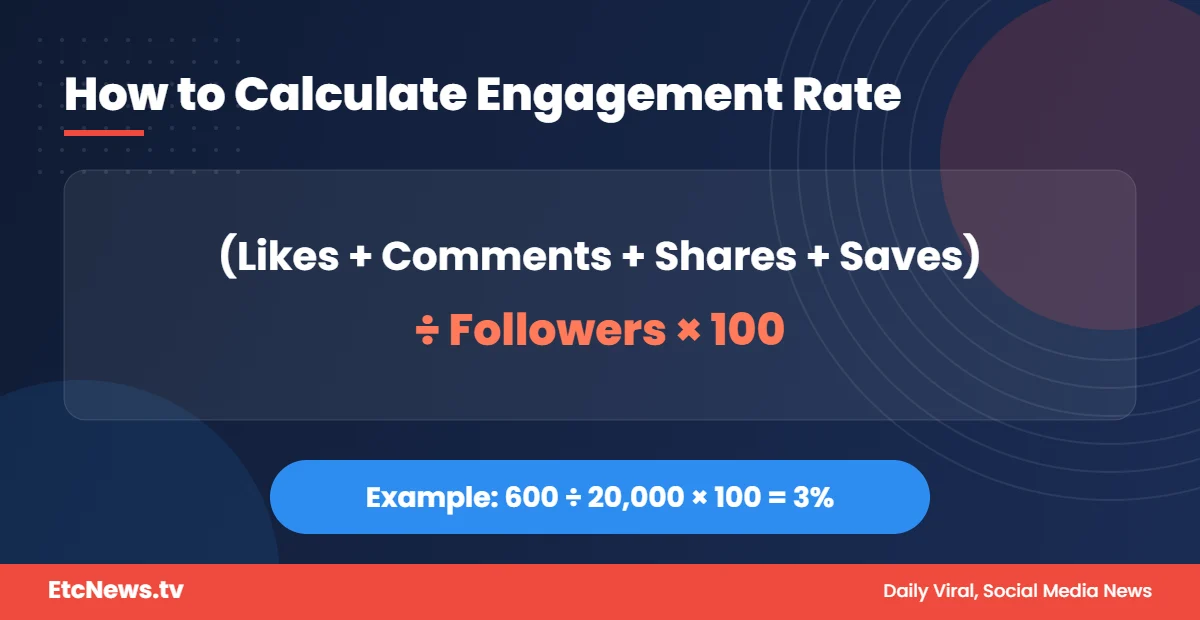
Engagement rate = (likes + comments + shares + saves) ÷ followers × 100
Example: a post with 500 likes, 40 comments, 30 shares and 30 saves on an account with 20,000 followers has 600 interactions. 600 ÷ 20,000 × 100 = 3%.
Some marketers divide by views or reach instead of followers. Neither is “wrong”, but you should always use the same method when comparing accounts.
Why Follower Count Can Mislead
| Creator | Followers | Interactions per post | Engagement rate |
|---|---|---|---|
| Creator A (example) | 500,000 | 5,000 | 1% |
| Creator B (example) | 50,000 | 4,000 | 8% |
Illustrative numbers only. Creator B has far fewer followers but a much more active audience, which may deliver better results for a brand.
What Is a “Good” Engagement Rate?
It depends on the platform, niche and account size. Smaller accounts usually have higher rates than very large ones. Instead of chasing a universal number, compare a creator against similar accounts in the same niche and look at their average over many posts.
Signs of Fake or Inflated Followers
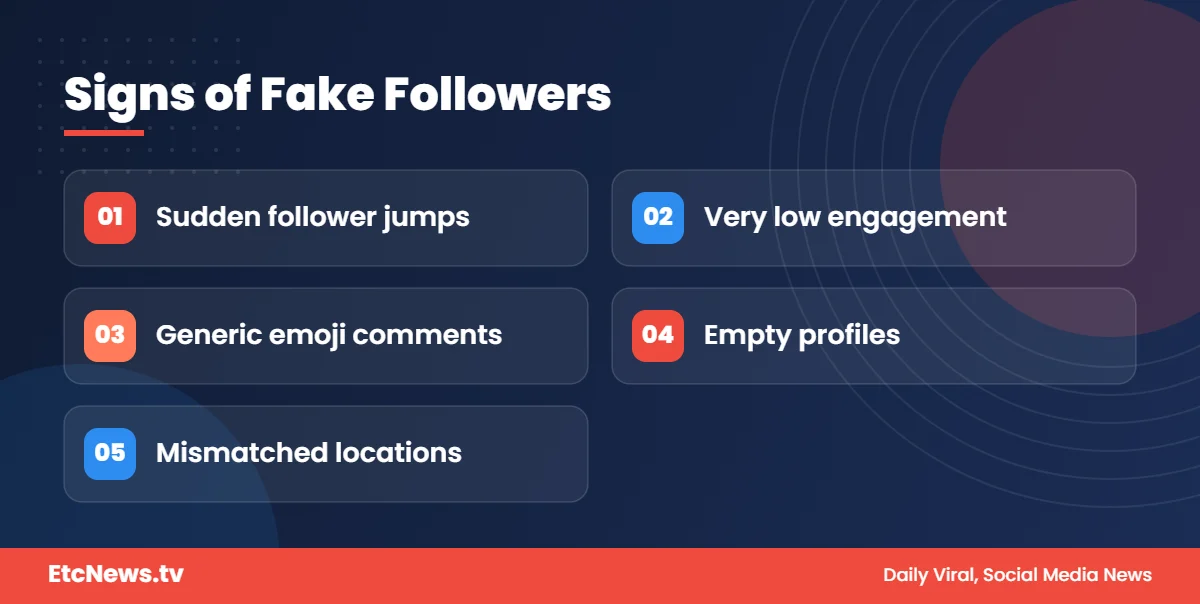
- Sudden follower jumps with no matching viral post.
- Very low engagement compared with follower count.
- Many generic comments such as single emojis or repeated phrases.
- Followers with no profile pictures, no posts or random usernames.
- Audience locations that do not match the creator’s language or content.
Combine these checks with our guide on how to check if a celebrity or influencer account is real.
Other Metrics That Matter
- Reach and views: How many people see the content.
- Watch time and retention: Whether viewers stay.
- Comment quality: Real discussion beats emoji spam.
- Audience demographics: Does the audience match your target customers?
- Click-throughs and conversions: The results brands care about.
Tips for Creators: How to Improve Engagement
- Ask clear questions and reply to comments.
- Post consistently on topics your audience values.
- Use strong hooks. See why videos go viral.
- Review analytics to see which formats perform best.
Engagement Rate by Views: Better for Video
For video platforms, calculating engagement against views often gives a clearer picture than followers, because not every follower sees every video, and many viewers are not followers at all.
Engagement rate by views = (likes + comments + shares + saves) ÷ views × 100
Example: a video with 50,000 views and 2,500 total interactions has an engagement rate by views of 5%. This method is especially useful on TikTok and YouTube Shorts, where a video can reach far beyond the follower base.
How to Calculate Average Engagement Over Time
One viral post can make a creator’s engagement look much higher than usual, and one weak post can make it look lower. For a fairer view, calculate the rate for the last 10 to 20 posts and take the average. Also look at the trend.
Is engagement steady, rising or falling? A stable, consistent rate is often more valuable to a brand than a single spike.
Why Engagement Differs by Platform and Niche
Every platform shows content differently and encourages different behaviors. Some audiences comment a lot, others mostly like or save. Educational content may be saved more often, while comedy is shared more.
Niche communities, such as specific hobbies or professions, often engage more deeply than general entertainment audiences. That is why comparing a comedy creator on one platform with an education creator on another is not a fair comparison.
Comment Quality: The Metric Numbers Miss
Read the comments, not just the count. Are people asking questions, sharing their own experiences, tagging friends and discussing the content? Or is the section filled with repeated emojis and identical phrases? Thoughtful comments show a real, interested community, which is exactly what brands and platforms value most.
Tools to Check Engagement
Most platforms give creators built-in analytics with reach, views, interactions and audience details. For checking other accounts, you can calculate engagement manually from public numbers, or use third-party analytics tools. If you use third-party tools, choose reputable ones, never hand over your password, and remember that their estimates are not always accurate.
Engagement Rate Checklist for Brands
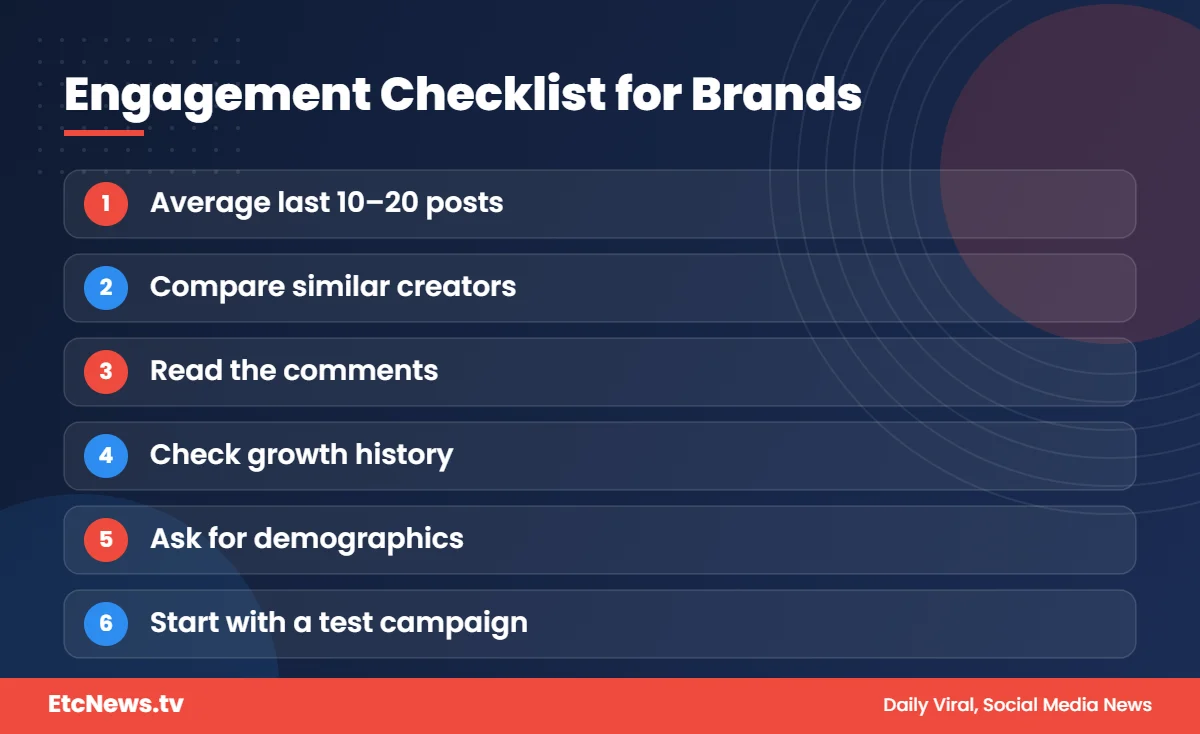
- Calculate average engagement over the last 10 to 20 posts.
- Compare with similar creators in the same niche and platform.
- Read a sample of comments for quality and authenticity.
- Look at follower growth history for unexplained spikes.
- Ask the creator for audience demographics from their analytics.
- Start with a small test campaign before a big commitment.
Engagement Rate vs Reach: Which Matters More?
Reach tells you how many people saw a post, while engagement rate tells you how many of them cared enough to interact. For brand awareness campaigns, reach is important. For trust, conversions and long-term community building, engagement usually tells you more. The best evaluations look at both together, along with audience fit.
Common Engagement Rate Mistakes
- Judging from a single post. Always look at an average over many posts.
- Mixing formulas. Comparing a rate by followers with a rate by views gives misleading results.
- Ignoring niche differences. A gaming creator and a finance creator will naturally have different patterns.
- Forgetting about giveaways. Contest posts often inflate comments and should be excluded from averages.
- Only counting likes. Saves, shares and meaningful comments are often stronger signals of value.
Avoiding these mistakes gives a much more accurate picture of any creator’s engagement rate.
Frequently Asked Questions
Is a higher engagement rate always better?
Generally yes, but compare similar accounts and look at averages over time.
Do followers or engagement matter more to brands?
Many brands prioritize engagement and audience fit, though reach also matters for awareness campaigns.
Can engagement be faked?
Yes, through bots and engagement pods. Check comment quality and audience patterns.
Which formula should I use?
Any consistent formula works. The key is to compare creators using the same method.
Should I calculate engagement by followers or views?
For video platforms, views often give a clearer picture. For photo posts, followers are commonly used. Stay consistent either way.
Conclusion
Followers show popularity, engagement shows connection. Whether you are a creator, brand or curious reader, look beyond the headline number. Explore more in our Influencers category.